
Vest Bag RFQs: Define Handle and Body Height
For a vest-bag size RFQ, ask whether the stated dimensions include the handles and how the usable body height is measured. Keep the flat width, overall height and body reference separate, with the bag state identified. Match those answers to the intended bin or contents before accepting a size; a two-number catalogue field does not define every part of the opening.
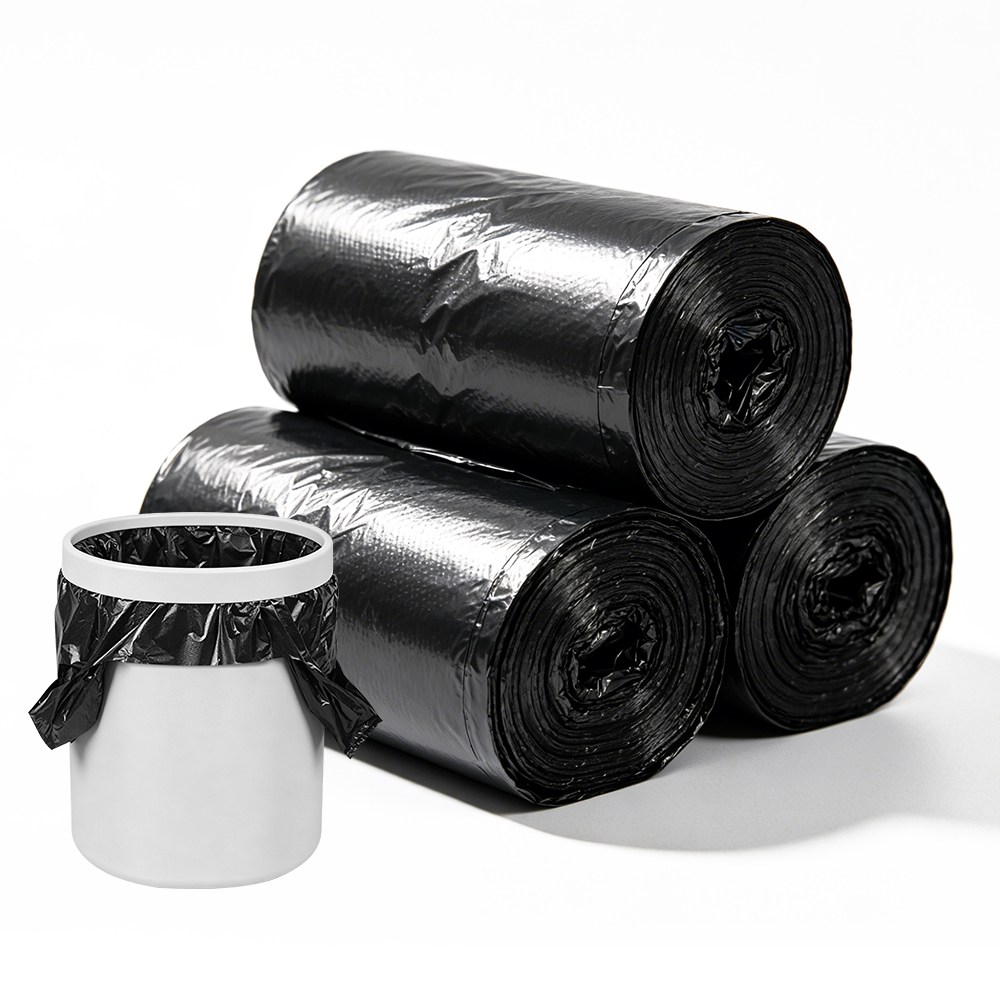
Official Black Vest-Style Garbage Bags reference. The bin is catalogue context, not confirmation of a particular bin capacity or an included supplied item.
Ask what the two catalogue dimensions include
A vest bag’s handles form part of its outline, but buyers also need to know how much usable body remains below them. A single size label can leave that relationship unclear. For teams sourcing wholesale vest bags, the useful enquiry is a marked size response that distinguishes the upper handle area from the body intended to contain the selected contents.
Youcheng’s Black Vest-Style Garbage Bags page lists dimensions of 45 cm × 60 cm. The short field does not name the two axes, explain whether the bag is flat or opened, or state whether the highest handle points are included. Keep the published entry with its product reference, then ask the supplier to define those details for the version being quoted.
Separate flat width, overall height and body height
Request a drawing or marked sample view with named start and end points. Ask the supplier to identify the width reference, the overall vertical extent and the body-height reference below the handle area. Keep the bag’s state explicit so a flat measurement is not compared with a different opened arrangement.
Size field
Question to answer
Response to retain
Catalogue size
What does45×60cm describe?
Named axes and measurement state
Flat width
Which edges and folds are included?
Marked edge-to-edge reference
Overall height
Are handle tips included?
Defined upper and lower endpoints
Body height
Where does the containment-body reference start?
Named boundary below the handle area
Opening shape
Which clearances matter to the intended use?
Relevant profile or opened view
Where the bag includes folded areas, ask how those areas are represented in the width statement. Avoid adding an assumed fold allowance to a number copied from the page. The supplier’s drawing should show the actual proposed geometry and the dimensions needed to understand it.
Official held-bag reference helps identify the upper bag area. Promotional claims in the image are not measured carrying or puncture-resistance results.
Name the handle area without turning it into capacity
Use the official upper-bag reference to point to the handle area being discussed. Ask for the applicable handle and opening dimensions if they matter to the buyer’s review. Keep those fields separate from the bag-body height, rather than treating all of the outer vertical extent as usable containment depth.
Mark the overall upper point and the body-height boundary separately.
Identify the bag state used for each dimension.
Ask for an offered value and any agreed tolerance on that stated basis.
A size definition is also separate from a carrying result. The catalogue’s strength and puncture-related language does not supply a witnessed test for the offered sample. Keep any required performance evaluation outside the dimensional confirmation and agree its scope with the supplier.
Provide the actual bin or contents reference
If the bag is intended as a bin liner, identify the proposed bin and its relevant dimensions. Explain how the buyer expects the bag to be positioned, then ask the supplier which offered version it proposes. The small bin in the catalogue image illustrates a context; it does not define an accepted bin-volume range.
For another containment arrangement, describe the reference contents and the required unused upper area. Ask how the proposed bag geometry relates to that arrangement. Do not calculate a litre capacity from the two catalogue dimensions or copy a generic bin equivalence into a product-specific purchase specification.
Official roll/material-reference scene. The image’s PEHD and safety wording is not adopted as independently verified resin grade or safety evidence.
Review the size on an identified sample
Request a sample that represents the exact offered bag version. Compare its dimensions at the agreed points and record the sample identity, measurement state and results. Keep an observation about the handle area distinct from a body-width or body-height difference so the supplier can answer the specific issue.
Where the sample is reviewed with a bin or reference contents, keep that setup identified. A successful dimensional observation for one arrangement should remain tied to that arrangement. If a different bag option is proposed, confirm whether the earlier drawing and size definitions still apply.
Carry the defined size into the quotation
Attach the accepted dimension reference to the purchasing line and ask the supplier to cite it in the response. Keep the offered variant, requested quantity and current commercial terms beside that reference. This makes the quoted bag identifiable without letting a familiar45×60cm label conceal a changed handle/body relationship.
Frequently Asked Questions
Does60cm necessarily mean usable body height?
The published field does not define that scope. Ask whether the stated height includes the handles and identify the body boundary.
Can the bin image confirm the size for my bin?
Use the actual bin reference and request the corresponding fit response. The catalogue scene is not a product-specific fit approval.
Should flat width and opened width share one field?
Name the state and reference points separately where they answer different questions.
What belongs in the initial enquiry?
Send the selected bag and marked size questions through Youcheng contact. Keep other procurement topics in the buying archive.
Vest BagsBody HeightHandle AreaBulk Specification