
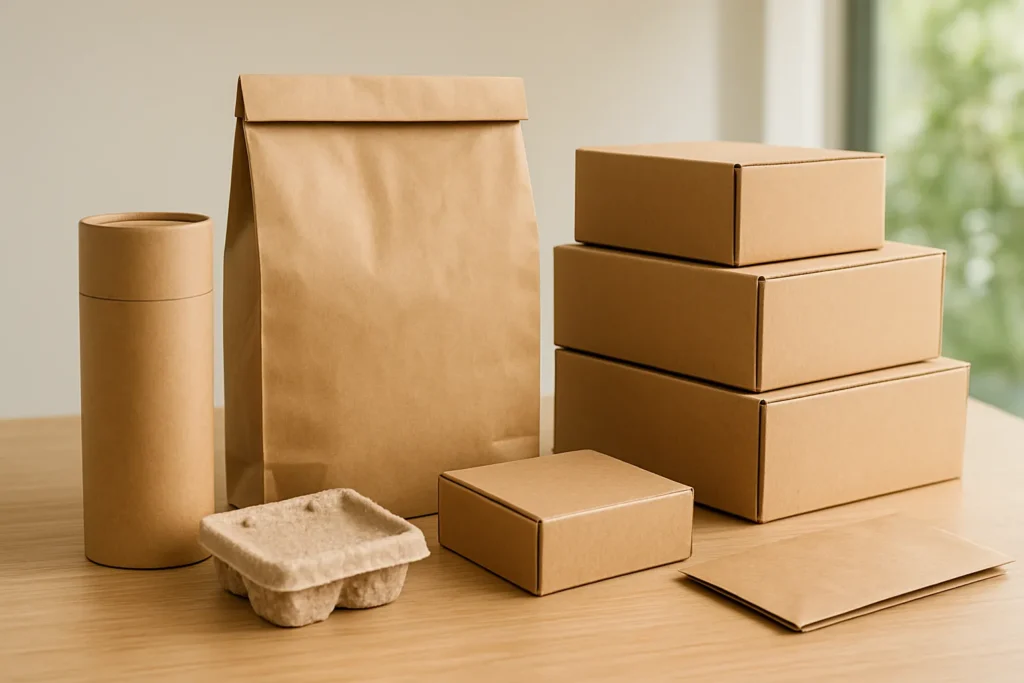
The Advantages of Eco-Friendly Packaging Solutions in Retail
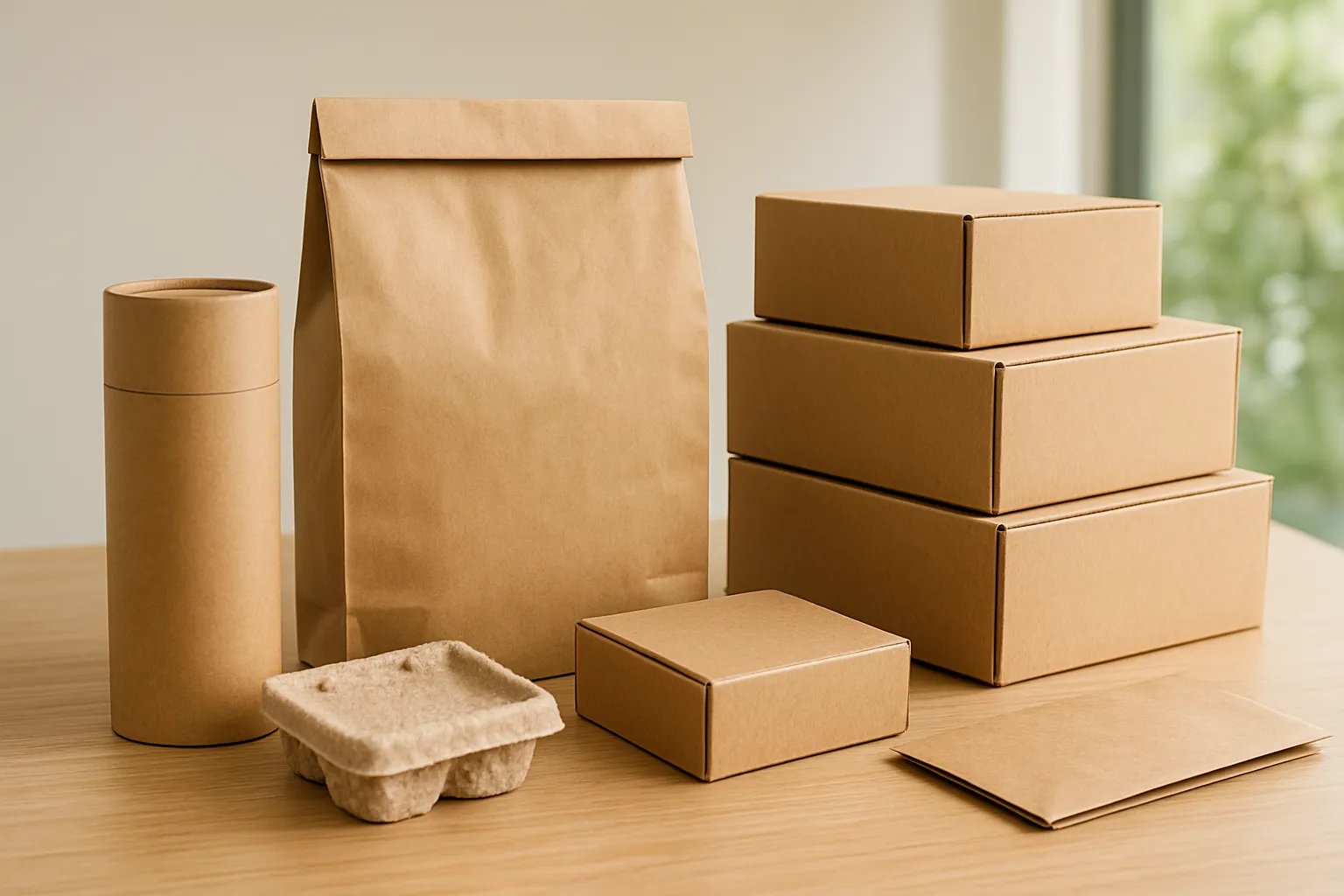
In recent years, sustainability has become a central theme that businesses across various sectors are actively addressing. One critical area of focus is the packaging used in retail supply chains. Eco-friendly packaging solutions encompass materials and processes designed to minimize environmental impact. This type of packaging is often biodegradable or recyclable and typically made from renewable resources. The significance of eco-friendly packaging in retail supply cannot be overstated, as it aligns with consumer demand for sustainable practices while contributing to a healthier planet.
Benefits of Eco-Friendly Packaging
The adoption of eco-friendly packaging solutions provides numerous advantages that go beyond just environmental benefits.
- Environmental Impact: Eco-friendly packaging significantly reduces the carbon footprint linked to manufacturing and disposal. By utilizing biodegradable or recyclable materials, companies can minimize waste and pollution, thus contributing to a more sustainable planet. For further insights, refer to this industry reference.
- Cost Savings Over Time: Although the initial investment in eco-friendly packaging may be higher than traditional options, the long-term savings can be considerable. Reduced waste disposal costs, lower material costs through recycling, and possible tax incentives for sustainable practices can all enhance profitability.
- Brand Image Enhancement: Today’s consumers are increasingly environmentally conscious. By adopting eco-friendly packaging, businesses can boost their brand image and attract a dedicated customer base that prioritizes sustainability. This not only sets a brand apart from the competition but also fosters trust and loyalty among customers.
Types of Eco-Friendly Packaging Solutions
Several eco-friendly packaging solutions are available for retail supply needs:
- Biodegradable Materials: These materials break down naturally over time, which helps reduce landfill waste. Common biodegradable options include plant-based plastics and paper products. For a deeper understanding, check out our page on biodegradable shopping bags.
- Recyclable Packaging Options: Packaging made from recyclable materials, such as cardboard and certain plastics, promotes a circular economy. Encouraging customers to recycle can also enhance brand loyalty.
- Compostable Packaging Solutions: Designed to break down into organic matter in composting environments, compostable packaging is ideal for food products and can significantly enrich soil health.
Use Cases in Retail
Eco-friendly packaging can be effectively utilized in various retail contexts:
- E-commerce Packaging: As online shopping continues to rise, sustainable packaging becomes essential for shipping products. Using eco-friendly materials can enhance the unboxing experience while minimizing environmental impact.
- In-Store Packaging Solutions: Retailers can provide eco-friendly bags and containers, encouraging customers to make sustainable choices while shopping. This not only benefits the environment but also aligns with consumer values. Explore our product offerings for more options.
- Seasonal Promotions and Events: Eco-friendly packaging can take center stage during promotions, such as holiday events, where businesses can showcase their commitment to sustainability through themed packaging.
Comparing Eco-Friendly Packaging Options
When considering a transition from traditional to eco-friendly packaging, businesses must evaluate several factors:
- Traditional vs. Eco-Friendly Packaging: Traditional packaging often relies on non-biodegradable materials, leading to increased waste. In contrast, eco-friendly packaging options prioritize sustainability and environmental responsibility.
- Performance Metrics: Eco-friendly packaging must meet performance standards, such as durability and protection during shipping. Many modern eco-friendly solutions are designed to match or even surpass the performance of traditional materials.
- Customer Preferences: Understanding customer preferences is crucial. Research indicates that a significant portion of consumers prefer brands that utilize eco-friendly packaging, which can provide a competitive advantage.
Sourcing Eco-Friendly Packaging
Finding the right suppliers for eco-friendly packaging is essential for successful implementation:
- Identifying Reliable Suppliers: Businesses should seek suppliers with a proven track record in eco-friendly materials. Partnering with reputable manufacturers ensures quality and sustainability.
- Certifications and Standards: Look for suppliers that comply with recognized environmental certifications, such as FSC (Forest Stewardship Council) or Cradle to Cradle. These certifications assure the sustainability of the packaging materials.
- Cost Considerations: While eco-friendly options may have higher upfront costs, businesses should analyze the total cost of ownership, including potential savings from waste reduction and enhanced brand loyalty.
Implementing Eco-Friendly Packaging in Your Business
Transitioning to eco-friendly packaging requires a strategic approach:
- Steps for Transitioning: Start by assessing current packaging practices and identifying areas for improvement. Develop a plan that outlines goals, timelines, and budget considerations.
- Employee Training and Awareness: Educating employees about the benefits of eco-friendly packaging and how to implement it effectively is crucial for successful adoption.
- Measuring Success: Establish metrics to evaluate the impact of eco-friendly packaging on waste reduction, customer satisfaction, and overall business performance. Regularly review and adjust strategies as needed.
Frequently Asked Questions
What is Eco-Friendly Packaging? Eco-friendly packaging refers to materials that are biodegradable, recyclable, or compostable, designed to minimize environmental impact.
How does it affect shipping costs? While some eco-friendly options may be more expensive initially, they can lead to long-term savings through reduced waste disposal costs and potential tax incentives.
Are there any downsides? Some eco-friendly packaging options may not be as widely available or may require adjustments in supply chain logistics. However, the benefits often outweigh these challenges.
In conclusion, adopting eco-friendly packaging solutions for retail supply needs is not merely a trend; it represents a necessary shift towards sustainable business practices. By understanding the benefits, exploring various options, and effectively implementing these solutions, businesses can enhance their brand image, reduce environmental impact, and meet the growing consumer demand for sustainability.