
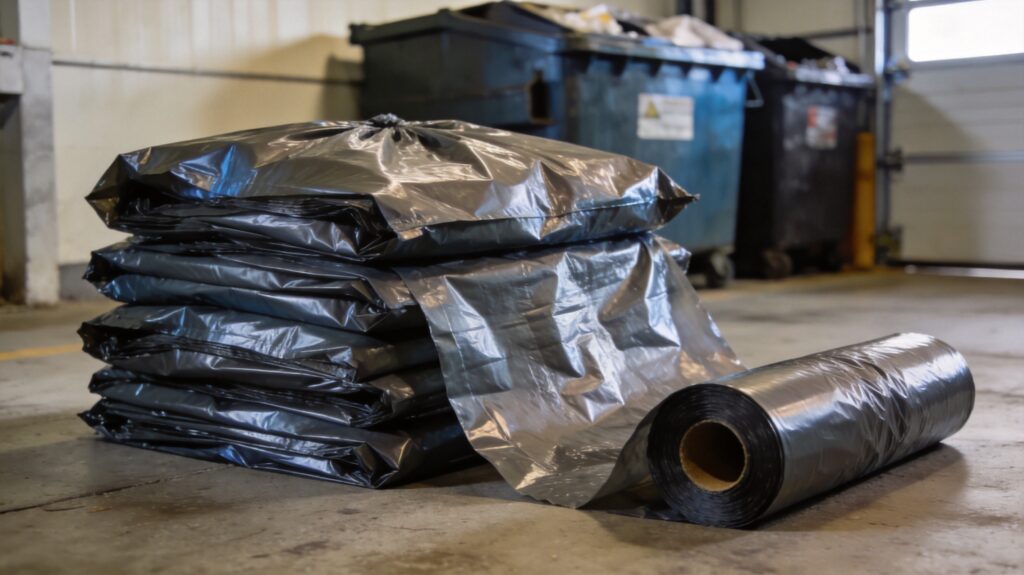
Choosing the Right Tear Resistant Garbage Bags Supplier
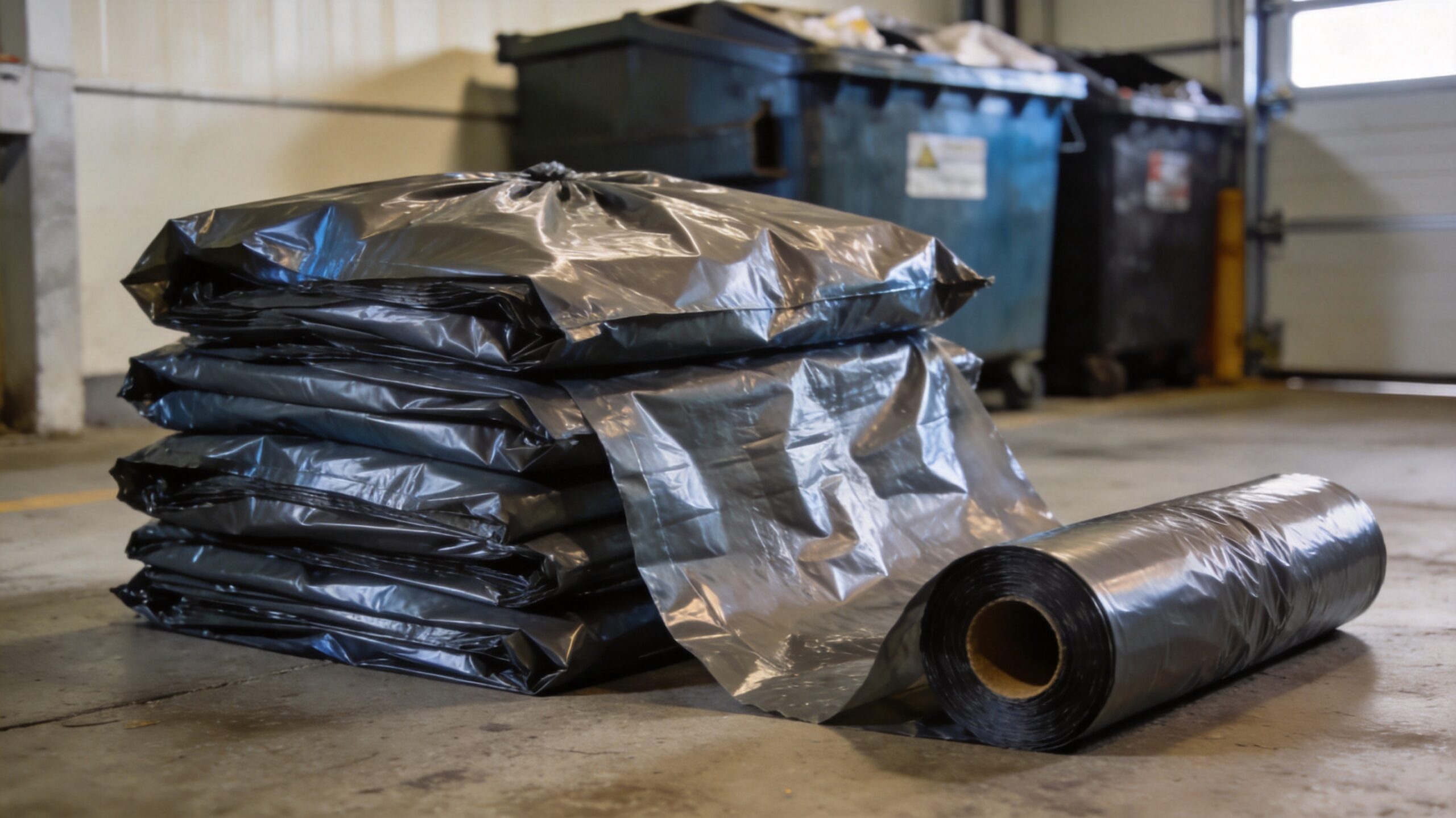
In commercial and industrial settings, waste disposal is far from a background task—it’s a critical part of daily operations. When a bag fails mid-shift, the fallout is immediate: wasted time, contaminated floors, safety hazards, and frustrated employees. For procurement managers and facility directors, selecting the right tear resistant garbage bags supplier isn’t just a purchasing decision; it’s an operational strategy. In this article, I’ll walk through the key features that define high-performance waste bags and offer a practical framework for choosing products that deliver real efficiency gains.
Why Tear Resistance Matters in Commercial Waste Disposal
The Hidden Cost of Bag Failures
A single torn bag might seem like a minor hiccup, but in high-volume facilities, the economics add up quickly. When a bag rips during removal, waste spills across the floor, requiring immediate cleanup labor, extra cleaning supplies, and sometimes replacement of contaminated materials. Over the course of a year, these small incidents snowball into substantial operational costs. Worse, failed bags often lead to double-bagging—a workaround that doubles material consumption and erases any savings from buying cheaper alternatives. From what I’ve seen in the industry, a dependable tear resistant garbage bags supplier can help eliminate this hidden drain on your budget.
Safety and Cleanup Risks in Busy Facilities
Beyond the financial angle, there’s the matter of safety. Broken bags expose workers to sharp objects, chemical residues, and biohazards. In kitchens, healthcare facilities, and manufacturing plants, a tear can turn routine waste removal into a liability issue. Slip hazards from leaked liquids and puncture wounds from protruding debris are genuine risks that affect worker compensation claims and regulatory compliance. In my opinion, tear resistance isn’t a luxury feature—it’s a fundamental safety control that no facility should overlook.
Key Specifications to Evaluate from a Tear Resistant Garbage Bags Supplier
Material Thickness and Gauge Ratings
Gauge ratings (commonly measured in mils or microns) indicate film thickness, but they don’t tell the whole story. A thicker bag isn’t automatically stronger if the resin quality is subpar. When evaluating a tear resistant garbage bags supplier, ask for detailed specifications on both gauge and resin composition. Linear low-density polyethylene (LLDPE) is the industry standard for tear resistance because it offers superior flexibility and puncture resistance compared to low-density polyethylene (LDPE) at the same thickness. For a closer look at how different bag constructions perform, you can review the black vest-style garbage bags offered by manufacturers who specialize in high-strength films.
Puncture and Tear Propagation Tests
Reputable suppliers conduct standardized tests to quantify performance. The dart drop test measures impact resistance, while the Elmendorf tear test evaluates how easily a tear spreads once initiated. I always recommend requesting test data from your supplier. A bag that resists initial punctures but tears easily once compromised is a liability. Look for products that score well on both parameters, ensuring that minor abrasions don’t escalate into catastrophic failures. For an industry reference on material testing standards, you can consult authoritative engineering resources that detail these evaluation methods.
Seam Strength and Closure Integrity
The weakest point of any garbage bag is its seam. A bag can have excellent film strength but fail at the bottom seal under heavy loads. Evaluate the supplier’s manufacturing process—are seams heat-sealed with consistent pressure and temperature? Additionally, consider closure mechanisms. Drawstring closures distribute stress evenly, reducing the likelihood of tearing at the tie point. For garbage bags for waste disposal in demanding settings, these details separate premium products from commodity alternatives. Many leading manufacturers, such as those listed on the company products page, highlight drawstring options specifically engineered for heavy-duty use.
Garbage Bags for Waste Disposal: Matching Product to Application
Industrial and Construction Debris Handling
Construction sites generate abrasive waste: broken drywall, metal scraps, wood splinters, and concrete fragments. Standard bags fail quickly in this environment. Industrial-grade bags with higher gauge ratings and reinforced seams are essential. Look for products specifically labeled for construction debris, as they are formulated to resist abrasion and sharp-edge punctures.
Healthcare and Biohazard Waste Requirements
Healthcare facilities operate under strict regulatory frameworks. Bags for biohazard waste must meet specific color-coding and labeling standards, and they must resist punctures from needles and glass vials. When sourcing from a tear resistant garbage bags supplier, verify that their medical-grade products comply with relevant standards such as ASTM D1709 for impact resistance and color specifications for waste segregation.
Recycling and Compactor Compatibility
Recycling operations place unique demands on bags. They must withstand the mechanical pressure of compactors without bursting, and they should be compatible with automated sorting equipment. Some facilities prefer translucent bags for visual inspection of recyclable content. Discuss your specific workflow with your supplier to ensure the bags you select don’t interfere with downstream processing.
Large Trash Bags Wholesale: Comparing Supplier Options
Virgin vs. Recycled Resin Trade-offs
Sustainability goals often drive buyers toward recycled-content bags. While recycled resin has improved significantly, it can still exhibit slightly lower tear resistance compared to virgin resin. A skilled tear resistant garbage bags supplier will be transparent about these trade-offs and offer blended options that balance environmental responsibility with performance requirements. Request samples and conduct your own field tests before committing to a large order.
Custom Sizing and Color Coding
Standard sizes don’t fit every application. A supplier that offers custom dimensions can help you reduce waste by matching bag size to bin capacity precisely. Color coding is another valuable feature for waste segregation programs—different colors for recyclables, organics, and general waste streamline sorting and reduce contamination. For example, the colorful drawstring bags available from specialized manufacturers demonstrate how color-coded options can be integrated into facility workflows.
Lead Times and Inventory Reliability
In bulk procurement, supply chain reliability is as important as product quality. Evaluate potential suppliers on their production capacity, warehousing capabilities, and historical on-time delivery rates. A large trash bags wholesale partner should be able to accommodate seasonal demand spikes without forcing you to overstock.
Sourcing Strategy for Bulk Buyers
Minimum Order Quantities and Pricing Tiers
Understand the supplier’s MOQ structure and how pricing scales with volume. Some suppliers offer tiered discounts that make larger orders more economical, but be cautious about overcommitting storage space. Calculate your actual consumption rate and negotiate terms that align with your operational rhythm.
Certifications and Compliance Documentation
Request documentation for relevant certifications, including ISO quality management standards and any industry-specific compliance (e.g., FDA compliance for food-contact applications). A professional supplier will readily provide these documents, demonstrating their commitment to quality control. You can learn more about a manufacturer’s quality assurance approach by visiting their about page, which often outlines their testing and certification protocols.
Evaluating Supplier Testing and Quality Control
Ask about in-house testing protocols. Does the supplier conduct batch-level testing for tear resistance, or do they rely on occasional third-party audits? Consistent quality assurance processes indicate a supplier that takes performance claims seriously. For a technical reference on polymer testing methodologies, scientific literature provides detailed insights into how film properties are validated.
Implementation Tips for Waste Management Teams
Bag Selection Workflow by Department
Create a standardized selection matrix that matches bag specifications to departmental needs. Kitchens may require leak-resistant bags, while offices may prioritize cost efficiency. Document these requirements and share them with your procurement team to ensure consistent purchasing decisions.
Storage and Handling to Preserve Integrity
Bags degrade when exposed to heat, UV light, and ozone. Store them in a cool, dry environment away from direct sunlight and electrical equipment. Rotate inventory using a first-in, first-out system to prevent age-related brittleness.
Training Staff on Proper Bag Usage
Even the best tear resistant garbage bags supplier can’t compensate for improper usage. Train staff on correct bag installation, weight limits, and removal techniques. Emphasize that overfilling is a primary cause of bag failure and that using two bags is rarely a substitute for selecting the right bag initially.
Frequently Asked Questions About Tear Resistant Bags
What Is the Average Lifespan of a Tear Resistant Bag?
The lifespan depends on storage conditions and usage intensity. Under normal storage conditions (cool, dry, out of direct sunlight), bags can retain their properties for two to three years. However, once in use, lifespan is measured in hours, not years—a high-quality bag should withstand the duration of a typical waste collection cycle without failure.
How Do I Calculate the Right Bag Size for My Bins?
Measure the bin’s circumference and height. A general rule is to select a bag with a width at least 10-15% larger than the bin’s circumference divided by two, and a height that allows for at least 15-20 cm of overhang for tying. When in doubt, consult your supplier—they often have sizing charts based on common bin dimensions.
Are Tear Resistant Bags Recyclable?
Many tear resistant bags are made from recyclable polyethylene, but recyclability depends on local facility capabilities. Check with your waste hauler about their acceptance criteria. Some suppliers offer certified compostable options for organic waste streams, though these typically have lower tear resistance than conventional polyethylene bags.
Selecting the right tear resistant garbage bags supplier is a decision that touches every corner of your operation—from janitorial closets to loading docks. By prioritizing material specifications, application fit, and supplier reliability, you can transform waste disposal from a recurring headache into a streamlined process. Evaluate your current bag performance, request samples from prospective suppliers, and conduct side-by-side tests in your own facility. The right partnership will pay dividends in reduced labor costs, fewer safety incidents, and smoother daily operations.
Visit YCHENG Bags to explore high-quality tear-resistant garbage bags and wholesale options tailored to your needs.