
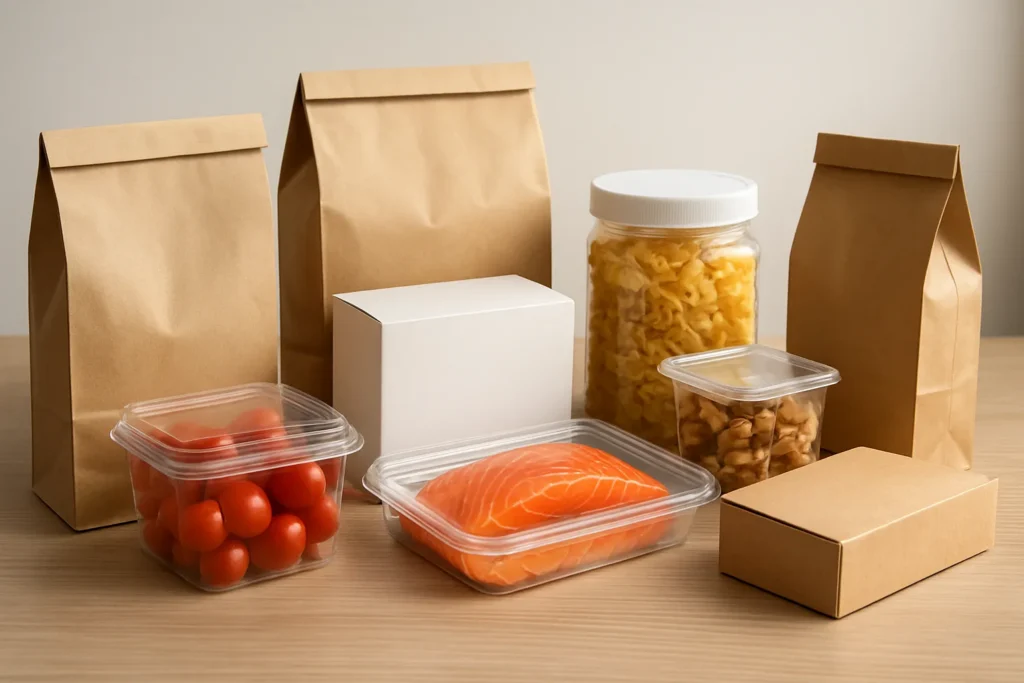
Choosing the Right Food Packaging for Supermarkets: Essential Guide to Sustainability and Safety
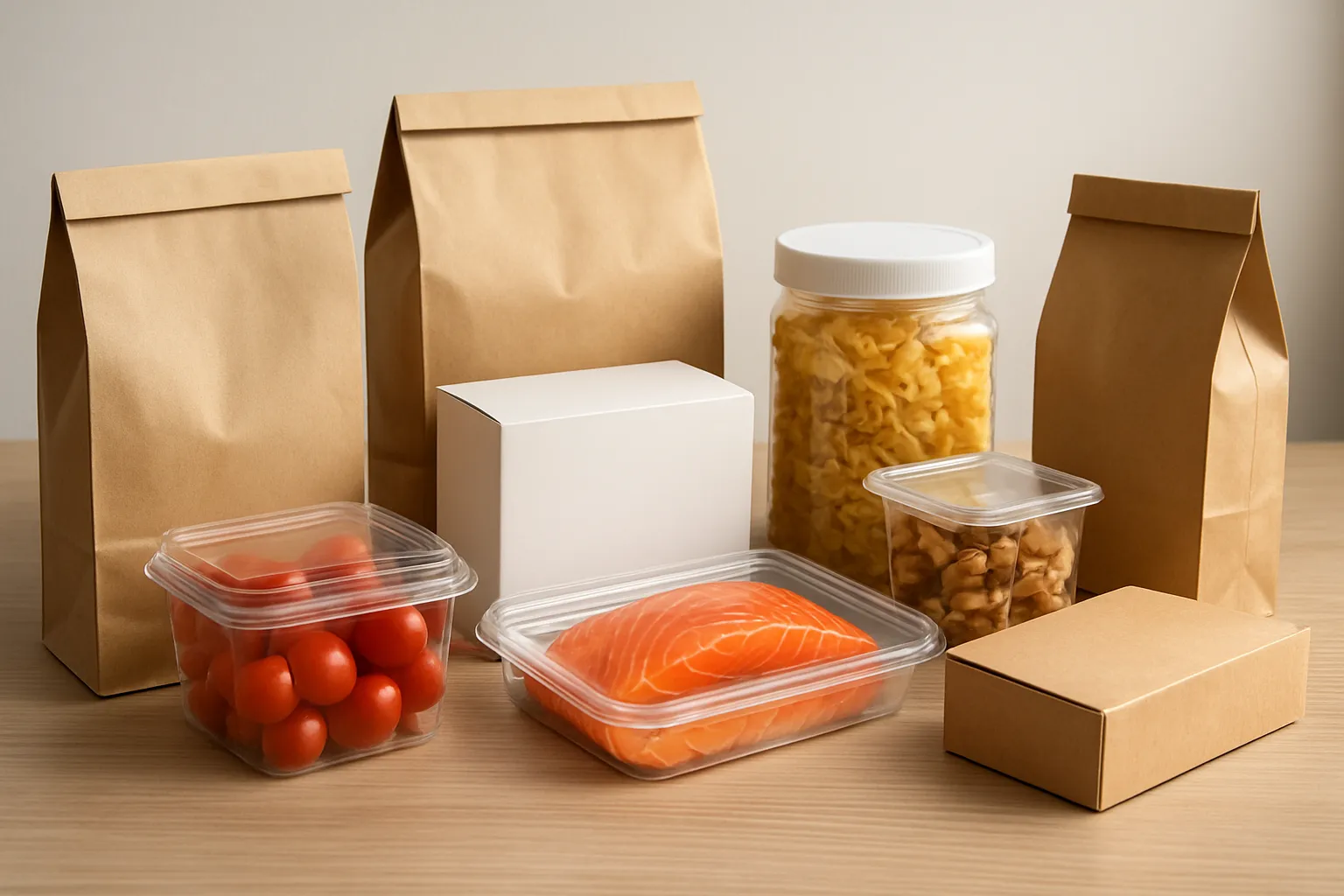
Food packaging plays a crucial role in the supermarket industry, influencing not only the safety and freshness of food products but also the purchasing decisions of consumers. In this guide, we will explore the various aspects of food packaging that supermarkets need to consider, including materials, sustainability, and consumer preferences.
Importance of Food Packaging
Food packaging serves several essential functions. It protects food from contamination, extends shelf life, and provides necessary information to consumers. Moreover, attractive packaging can enhance the product’s appeal, making it stand out on the shelves. Supermarkets must prioritize packaging that not only preserves food quality but also aligns with modern consumer expectations regarding environmental impact.
Types of Food Packaging Materials
Supermarkets have a variety of packaging materials to choose from, including:
- Plastic: Lightweight and versatile, plastic packaging is widely used but raises concerns about environmental sustainability.
- Glass: Known for its ability to preserve flavor and freshness, glass is recyclable and considered more environmentally friendly.
- Paper and Cardboard: These materials are biodegradable and often used for dry goods and takeout containers.
Choosing the right material depends on the type of food being packaged and the target market’s preferences.
Sustainability in Food Packaging
Consumers are increasingly concerned about sustainability. Supermarkets should consider using eco-friendly packaging options, such as biodegradable materials or recyclable designs. This not only helps the environment but also attracts eco-conscious consumers. Implementing a clear recycling program in-store can further enhance a supermarket’s commitment to sustainability.
Consumer Preferences
Understanding consumer preferences is vital for supermarkets. Packaging that is easy to open, resealable, and informative can significantly influence purchasing decisions. Additionally, transparent packaging that allows customers to see the product can enhance trust and encourage sales.
Conclusion
In conclusion, choosing the right food packaging for supermarkets involves a careful balance between functionality, sustainability, and consumer appeal. By considering these factors, supermarkets can enhance their product offerings and meet the evolving demands of their customers.
By prioritizing effective food packaging, supermarkets can not only improve their sales but also contribute positively to the environment and consumer satisfaction.