
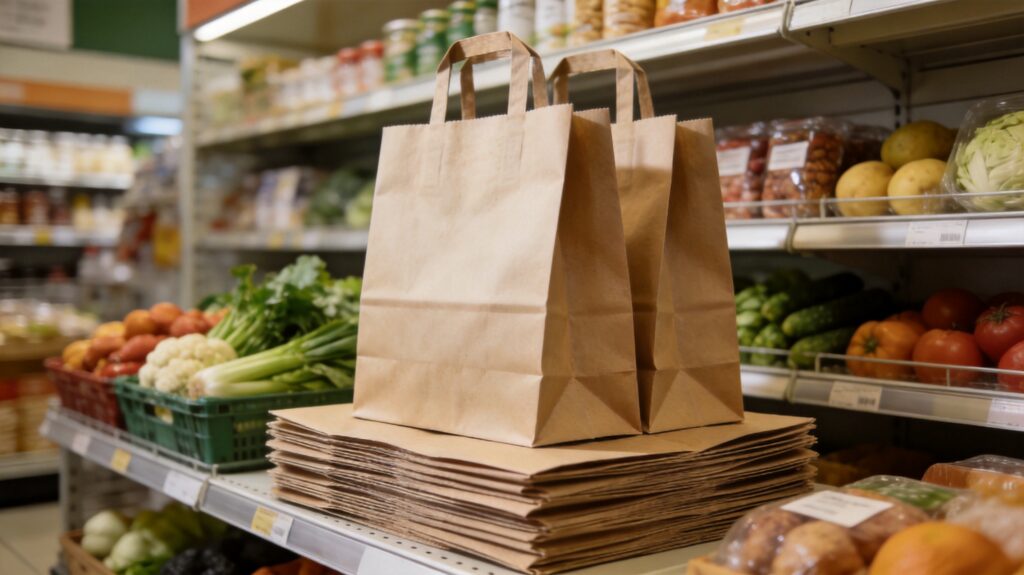
Biodegradable Shopping Bags for Supermarkets: A Sustainable Solution
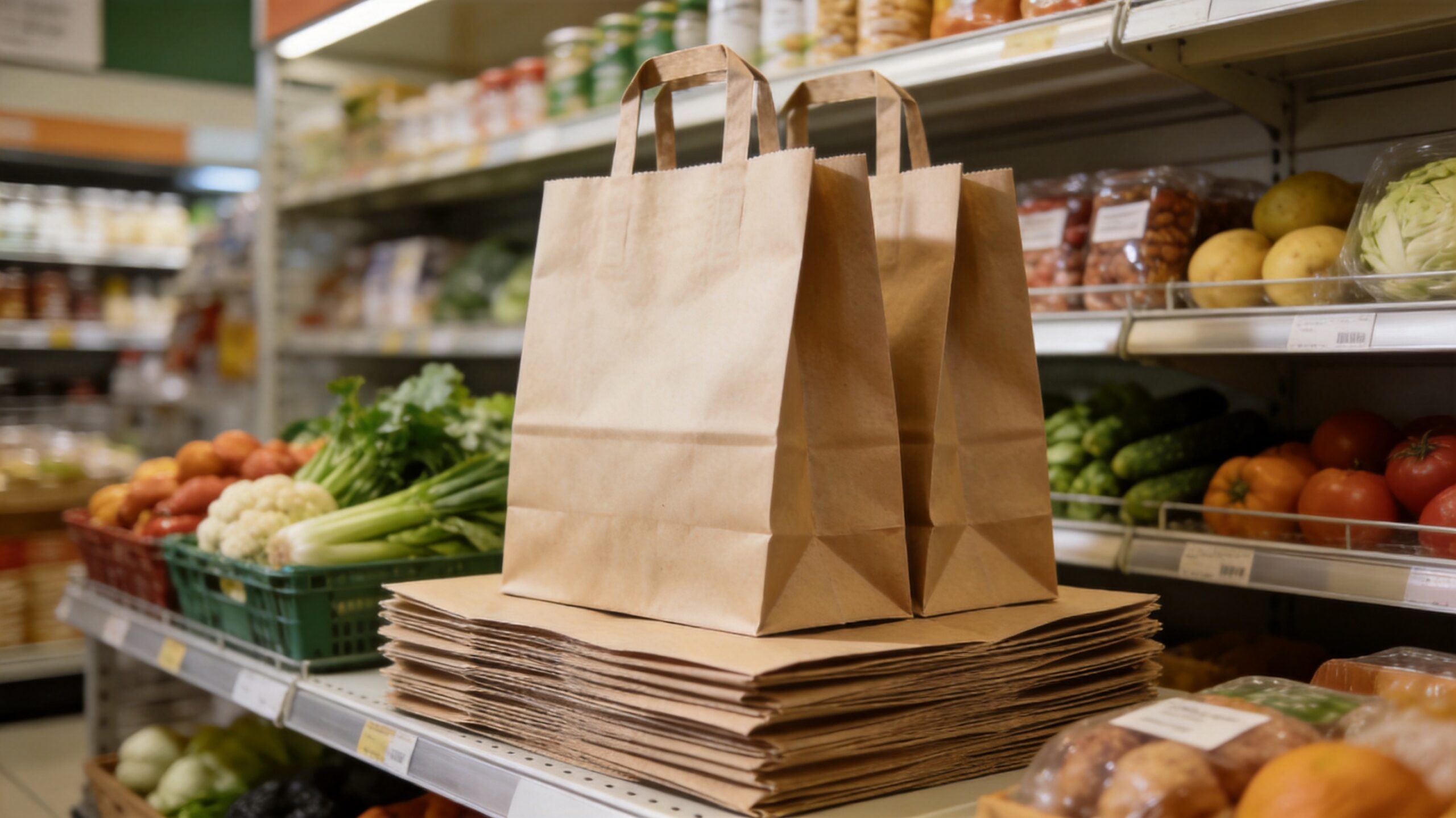
Supermarkets are at a crossroads. With plastic bag bans spreading across North America, Europe, and Asia, and consumers increasingly voting with their wallets for eco-conscious retailers, the pressure to move away from conventional polyethylene bags has never been greater. The solution? Biodegradable shopping bags for supermarkets—packaging that meets regulatory requirements, satisfies customer expectations, and supports your bottom line.
This guide explores why biodegradable bags are becoming the industry standard, what specifications matter, and how to implement them effectively across your retail operations.
1. Why Supermarkets Are Switching to Biodegradable Shopping Bags
Regulatory Pressure and Plastic Bag Bans
From California to the European Union, single-use plastic bag bans are no longer a fringe movement—they are law. Over 100 countries and countless municipalities now restrict conventional plastic bags, with fines for non-compliance reaching thousands of dollars per incident. Supermarkets that fail to adapt risk operational disruptions and reputational damage. Biodegradable shopping bags for supermarkets offer a straightforward path to compliance without sacrificing functionality. For a deeper look at how leading manufacturers are addressing these regulatory shifts, consult this industry reference on biodegradable packaging innovations.
Consumer Demand for Sustainable Retail Packaging
Today’s shoppers are informed and demanding. According to recent retail surveys, over 70% of consumers say they prefer stores that offer sustainable packaging options, and many are willing to switch retailers to get them. Offering biodegradable carrier bags for retail signals that your brand takes environmental stewardship seriously—a powerful differentiator in a crowded market. Supermarkets exploring sustainable packaging solutions can find a range of eco-friendly bag options from our home textile manufacturer product lineup.
Cost vs. Compliance: The Business Case
While biodegradable bags typically cost 20–40% more per unit than traditional plastic, the cost of non-compliance—fines, legal fees, and lost customer trust—is far higher. Moreover, many jurisdictions offer tax incentives or waste-reduction credits for retailers adopting compostable packaging. When you factor in the marketing value of being a sustainability leader, the investment pays for itself.
2. Key Specifications for Biodegradable Shopping Bags for Supermarkets
Material Types: PLA, PBAT, and Starch-Based Blends
Not all biodegradable bags are created equal. The most common materials include:
- PLA (Polylactic Acid): Derived from corn starch or sugarcane. Rigid and clear, ideal for produce bags.
- PBAT (Polybutylene Adipate Terephthalate): A flexible, petroleum-based biodegradable polymer that adds strength and elasticity.
- Starch-Based Blends: Combine plant starches with biodegradable polymers for cost-effective, high-performance bags.
The best biodegradable shopping bags for supermarkets use a blend of these materials to balance durability, cost, and decomposition speed.
Certifications and Standards (ASTM D6400, EN 13432)
Certifications matter. Look for bags that meet ASTM D6400 (US standard) or EN 13432 (European standard) for compostability. These certifications guarantee that the bag will break down within a specified timeframe in commercial composting facilities. Without them, you risk greenwashing accusations and regulatory rejection. For a technical reference on biodegradation standards and testing protocols, ScienceDirect offers peer-reviewed studies on material performance.
Load Capacity and Durability for Grocery Use
A grocery bag must hold heavy items—canned goods, beverages, produce—without tearing. Look for bags with a load capacity of at least 15–20 kg (33–44 lbs) and thickness ranging from 15 to 25 microns. High-quality biodegradable carrier bags for retail now match or exceed the tensile strength of conventional plastic.
3. Biodegradable Carrier Bags for Retail: Use Cases and Applications
Checkout Bags vs. Produce Bags
Different applications require different bag designs. Checkout bags need high load capacity and comfortable handles. Produce bags, on the other hand, should be thinner, breathable, and transparent for quick identification. Many suppliers now offer full product lines covering both use cases.
Self-Service and Express Lane Scenarios
In self-checkout and express lanes, customers need bags that are easy to open and dispense. Biodegradable bags with star-sealed bottoms and tear-off perforations work seamlessly with existing dispenser systems, minimizing friction at the point of sale.
Branded Bags for Customer Loyalty and Marketing
Biodegradable carrier bags for retail double as mobile advertising. Custom-printed bags with your logo, sustainability messaging, or QR codes linking to your environmental initiatives turn every trip into a brand touchpoint. Studies show that branded reusable and biodegradable bags increase customer recall and loyalty.
4. Biodegradable Trash Bags Bulk: Complementing Store Operations
Back-of-House Waste Management
Your store’s sustainability story doesn’t end at the checkout. Back-of-house operations generate significant waste—food scraps, packaging, and general refuse. Switching to biodegradable trash bags bulk ensures that your entire waste stream aligns with your environmental commitments. Our black vest-style garbage bags offer a durable, eco-conscious option for commercial waste handling.
Sizing and Thickness Options for Commercial Use
Commercial trash bags come in sizes ranging from 13-gallon kitchen bags to 55-gallon industrial liners. Thickness options (typically 0.8 to 1.5 mil) should match the weight of your waste. For wet organic waste, look for bags with enhanced puncture resistance and leak-proof seals.
Bulk Ordering Benefits for Multi-Location Chains
For supermarket chains with multiple locations, ordering biodegradable trash bags bulk offers significant cost advantages. Volume discounts can reduce per-unit costs by 15–30%, and centralized ordering simplifies inventory management across your network.
5. Biodegradable vs. Compostable vs. Recycled Plastic Bags
Performance and End-of-Life Comparison
- Biodegradable bags: Break down into natural elements over time (typically 1–5 years in landfill conditions).
- Compostable bags: Decompose within 90–180 days in commercial composting facilities, leaving no toxic residue.
- Recycled plastic bags: Contain 30–100% post-consumer recycled content but still persist in the environment if not properly recycled.
Cost Differences for Bulk Procurement
Recycled plastic bags are the most affordable, followed by biodegradable, with compostable bags commanding the highest premium. However, as production scales and technology improves, the price gap is narrowing.
Which Option Fits Your Sustainability Goals
If your jurisdiction has composting infrastructure, compostable bags offer the best environmental outcome. If not, high-quality biodegradable bags provide a practical middle ground. Many supermarkets adopt a hybrid approach—compostable produce bags and biodegradable checkout bags.
6. Sourcing and Bulk Procurement Best Practices
Vetting Suppliers for Certifications and Traceability
Don’t take claims at face value. Request certification documents, lab test reports, and material safety data sheets. Visit supplier facilities or request virtual audits. Traceability—knowing exactly where and how your bags are produced—is critical for regulatory compliance and brand protection. Learn more about our manufacturing standards and quality assurance on our company overview page.
Minimum Order Quantities and Lead Times
Most manufacturers require minimum order quantities (MOQs) of 10,000–50,000 units. Lead times typically range from 4–8 weeks for standard orders and 8–12 weeks for custom-printed bags. Plan your procurement calendar accordingly to avoid stockouts.
Negotiating Pricing for Biodegradable Trash Bags Bulk
When negotiating biodegradable trash bags bulk pricing, consider long-term contracts (12–24 months) to lock in favorable rates. Ask about freight terms, warehousing options, and just-in-time delivery programs. Bundling checkout bags and trash bags in a single order often yields additional discounts.
7. Implementation Guide for Retail Operations
Pilot Testing in Select Store Locations
Before rolling out new bags chain-wide, pilot them in 2–3 representative stores. Monitor performance metrics: tear rates, customer complaints, checkout speed, and waste diversion rates. Use this data to refine your approach.
Staff Training and Customer Communication
Your frontline staff are your sustainability ambassadors. Train them on the benefits of biodegradable bags and how to answer common customer questions. Use in-store signage, digital displays, and social media to communicate your switch to biodegradable shopping bags for supermarkets.
Measuring Waste Reduction and ROI
Track key performance indicators: plastic waste diverted, composting volumes, customer satisfaction scores, and cost per transaction. Review these metrics quarterly to assess ROI and identify areas for improvement.
8. Frequently Asked Questions About Biodegradable Bags
How Long Do Biodegradable Bags Take to Decompose?
Under industrial composting conditions (58°C, controlled humidity), certified compostable bags decompose in 90–180 days. In landfill environments, biodegradable bags typically break down within 1–5 years—significantly faster than the 400+ years required for conventional plastic.
Are They Suitable for Freezer and Hot Items?
Quality biodegradable bags perform well in temperatures ranging from -20°C to 60°C. They can handle frozen goods and warm (not boiling) items. However, avoid using them for hot liquids above 60°C, as this can compromise structural integrity.
Can They Be Used in Existing Composting Facilities?
Yes, provided the bags carry ASTM D6400 or EN 13432 certification. However, not all municipal composting facilities accept biodegradable bags. Check with your local waste management provider to confirm acceptance and arrange for proper disposal channels.
The transition to biodegradable shopping bags for supermarkets is no longer a question of “if” but “when.” With regulatory pressure mounting, consumer expectations rising, and costs becoming increasingly competitive, the time to act is now. By choosing certified, high-performance biodegradable carrier bags for retail and biodegradable trash bags bulk for back-of-house operations, you position your supermarket as a sustainability leader—building customer loyalty, ensuring regulatory compliance, and contributing to a healthier planet. For more insights on sustainable packaging solutions, visit our industry blog or reach out through our contact page to discuss your specific requirements.